
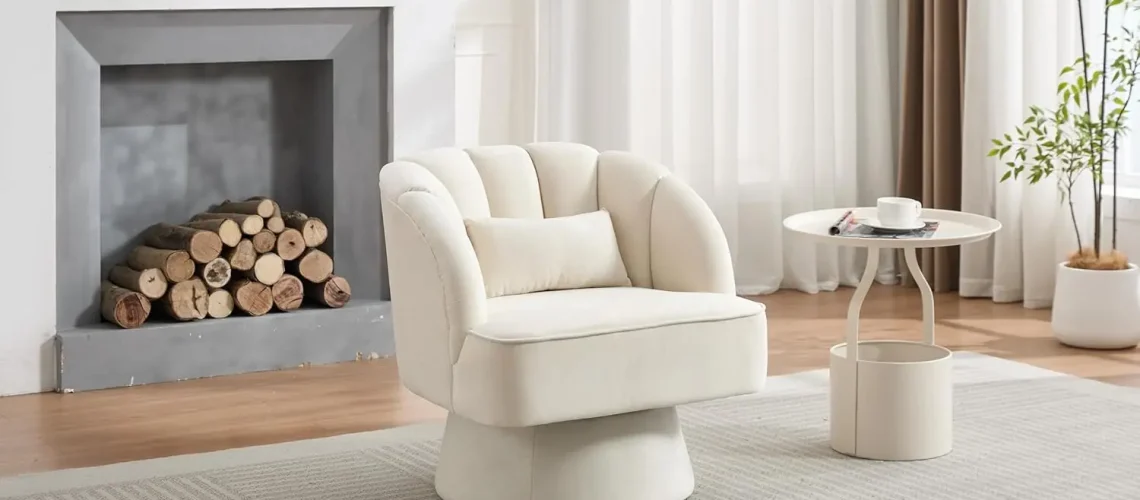
Creating a space that feels polished, inviting, and beautifully balanced doesn’t always require a major renovation or an expensive shopping spree. In fact, some of the most effective interior decor transformations come from small adjustments that work with the structure and furniture you already have. Whether you’re updating one room or refreshing your entire home, thoughtful styling choices can dramatically enhance the atmosphere, comfort, and flow of your space. The key is understanding how color, texture, lighting, and layout interact to create visual harmony. With a few intentional changes, you can make any room feel new again.
One of the first places to start is color. Color plays a powerful psychological role in how we perceive a room. Soft neutrals like ivory, warm beige, and gentle gray can open up a space and make it feel light and airy, perfect for living rooms or bedrooms where relaxation is the priority. On the other hand, deeper tones like navy, forest green, or charcoal can add depth, elegance, and drama, ideal for accent walls, reading corners, or dining rooms. If painting walls feels overwhelming, try adding color with textiles instead. Throw pillows, blankets, curtains, and area rugs are far easier to swap and allow you to test different palettes without full commitment. Choosing colors that complement one another helps unify the room, making everything feel intentional.
Beyond color, texture is another essential element that gives a room character and visual interest. Without texture, even a beautifully designed room can feel flat or unfinished. Soft fabrics, woven baskets, plush rugs, natural wood grains, metal finishes, and ceramic pieces all contribute to a layered, tactile environment. For example, pairing a smooth leather sofa with a knitted throw and a faux fur pillow instantly makes the seating area feel more welcoming. Even small touches like a textured lamp shade or a hammered metal vase can add dimension. Mixing textures—rather than matching everything—creates depth and keeps the room visually engaging.
Lighting is also a powerful tool in transforming any space. Many homes rely heavily on overhead lighting, but this often creates harsh shadows or a single-point brightness that doesn’t flatter the room. Instead, aim for a layered lighting approach with multiple sources. Floor lamps, table lamps, sconces, and accent lights all serve different functions and contribute to the overall mood. Warm-toned bulbs, rather than cool white, offer a softer and more inviting glow. Placing lamps near seating areas, reading corners, or entryways can make the home feel more connected. Dimmer switches are another great addition, giving you more control over ambiance depending on the time of day or activity.
Another simple yet impactful way to refresh a room is by rearranging the furniture. Many people place furniture against the walls by default, but this can make a room feel empty or unbalanced. Try anchoring the seating area with a rug and pulling pieces slightly inward to create a natural
conversation circle. Angle chairs or add a small side table to create designated zones. In bedrooms, shifting the bed’s position can instantly change the energy of the room. Even moving a dresser or nightstand to a new location can create better flow and make the space feel updated. The best part? Rearranging is free and offers immediate results.
A common decor mistake is overcrowding—too many small objects, too many patterns, or too much furniture in one place. Editing your space is just as important as adding to it. Sometimes removing a single item opens the room and allows your favorite pieces to shine. Decluttering surfaces like coffee tables, counters, or shelves helps maintain a refreshed look. Rather than filling every inch, think in curated clusters. A small stack of books, a candle, and a decorative object on a table often look far more elegant than a crowded spread of items. Your decor should breathe and have space around it.
Another effective strategy is incorporating natural elements. Plants instantly bring life, warmth, and color to a room. Whether it’s a tall floor plant, a tabletop succulent, or a hanging vine, greenery softens hard lines and makes the space feel more inviting. If maintaining real plants isn’t practical, high-quality faux plants can achieve the same aesthetic without upkeep. Natural materials like jute, linen, rattan, wood, and stone also add a sense of organic comfort. You can use these elements through storage baskets, woven rugs, or decorative bowls and trays.
Mirrors are another excellent styling tool for refreshing any room. A well-placed mirror can make a small space appear larger, reflect natural light to brighten darker corners, and serve as a stylish focal point. Large wall mirrors, round statement mirrors, or sets of smaller decorative mirrors can all elevate your decor. Hanging a mirror across from a window helps bounce daylight, making the whole room feel more open and cheerful.
Wall decor, such as framed prints, canvas art, or shelves, can transform bland walls into expressive features. You don’t have to cover every wall—one statement wall is often enough to elevate the entire room. Consider experimenting with gallery wall arrangements using different frame sizes and shapes. Even adding a simple floating shelf with a few carefully chosen decor pieces can create a visually pleasing vignette. If your decor feels too stiff, mix in personal touches like travel photos, vintage items, or handmade pieces that reflect your personality.
If your room still feels incomplete, updating textiles can be the finishing touch. Curtains influence the height and feel of a room. Hanging them closer to the ceiling and using longer lengths makes the space look taller. Switching to lighter fabrics can brighten the room, while heavier drapes create a warm, cozy environment. Area rugs also anchor a room and define zones. Make sure the rug is the right size—too small and it disrupts the layout; just right and it ties the room together beautifully.
Finally, don’t underestimate the impact of small functional upgrades. Swapping outdated hardware on cabinets, upgrading lamp shades, replacing worn throw pillows, or adding new trays and baskets can refresh the overall look without major effort. These little details make the space feel cared for and thoughtfully designed.
The beauty of interior decor is that refreshing your space doesn’t require a full overhaul. By intentionally adjusting color, texture, lighting, layout, natural elements, and functional accents, you can transform any room into a space that feels stylish, comfortable, and truly yours. Small steps, done well, deliver big results.